
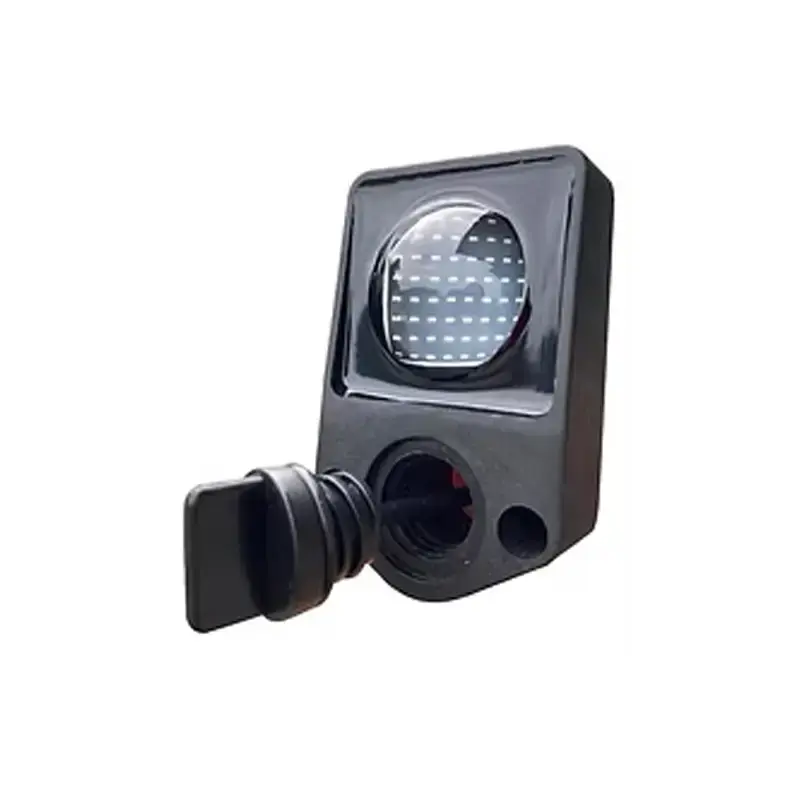
AquaIDEA JB3W & JB3WX Bung Light Guide

A properly selected AquaIDEA JB3W or JB3WX bung light can add a refined underwater lighting detail without changing the visual line of a vessel. Installed through an existing or purpose-designed bung-style opening, this format suits owners and builders who value a clean transom presentation, dependable submerged protection and lighting that looks considered rather than added as an afterthought.
For Australian boats, the decision is not only about how the light appears at the marina. Salt exposure, vibration, hull material, access behind the transom and the vessel’s electrical system all influence whether an installation will perform as intended over time. The right bung light is one that fits the boat correctly, supports the desired lighting effect and can be installed with the same care applied to every other underwater fitting.
Discover AquaIDEA JB3W and JB3WX Bung Lights
For more information on AquaIDEA underwater lighting products and to explore purchasing options, visit www.aquaidea.com.au.
Explore the AquaIDEA range to find underwater lighting solutions designed to complement your vessel and enhance its appearance on the water.
Why a bung light suits a clean transom build
A bung light is designed around a compact, through-hull style installation. Its appeal is practical as well as visual: the external face can sit neatly within the transom, reducing the bulk associated with larger surface-mounted fittings. On a tender, sportfisher, cruiser or yacht where the stern design matters, that restraint can make a real difference.
The compact format also makes bung lights relevant for upgrades. Where a suitable opening already exists, a compatible installation may avoid the need for broad external mounting hardware. That does not mean every existing bung location is automatically appropriate. Diameter, thread arrangement, wall thickness, clearance, sealing surface and access for cabling must all be checked before choosing a light.
The JB3W and JB3WX references should be assessed as specific product variants rather than treated as interchangeable names. Confirm the current product specification, supplied components, intended application and electrical requirements before ordering. A letter change in a model code can indicate a meaningful difference in configuration, so it is worth verifying rather than making assumptions during a build or refit.
Selecting the AquaIDEA JB3W & JB3WX bung light
The best selection process starts at the hull, not with the colour of the beam. A light may be visually impressive on paper but unsuitable if the installation cannot be sealed, supported and serviced correctly. For boat owners, this is the point where professional installation advice is often valuable. For builders and dealers, it is an opportunity to define fitment early and avoid rework late in the project.
Start with hull construction and available space
A transom can be fibreglass, aluminium, steel, timber or a composite structure, and each demands a different approach to drilling, sealing and corrosion management. The local section must be structurally sound and have sufficient material for the fitting and seal. Internal access is equally important, particularly where batteries, steering components, exhaust hardware, trim systems or storage arrangements occupy the space behind the transom.
Measure the opening accurately and inspect the surface on both sides of the hull. A fitting installed on an uneven, damaged or poorly prepared face is more likely to place stress on its seal. If the hull has been repaired, painted or coated, confirm that the final surface build-up still allows the product to seat as designed.
Match the lighting result to the vessel
Underwater illumination is affected by water clarity, hull geometry, transom angle and the surrounding ambient light. A light that creates a crisp pool of illumination in clear water may appear softer in a busy marina or after rain has stirred sediment into an estuary. This is normal, not a fault in the product.
White light is often selected for a classic, premium appearance and practical visibility around the stern. It can make swim platforms, steps and the waterline easier to see when arriving after dark. Coloured or dynamic lighting, where available in a chosen system, can create a more expressive presentation for entertaining and yacht club berthing. The appropriate choice depends on whether the priority is visibility, atmosphere or both.
Think about placement as a system. One compact light may provide a tasteful accent, while a pair installed symmetrically can give a broader and more balanced transom effect. More fittings are not always better. On smaller vessels, restrained spacing often produces the most premium outcome.
Confirm electrical compatibility before installation
Underwater lighting deserves the same electrical discipline as navigation equipment or bilge systems. Confirm the required supply voltage, current draw, cable specification, fuse protection and switching arrangement against the current product documentation. Avoid selecting a light based only on its physical fit.
Cable routing should be dry, protected from chafe and supported at appropriate intervals. Connections need to be suitable for the environment and positioned where they can be inspected if required. Where a vessel uses a control system, dimming arrangement or lighting controller, check compatibility before finalising the installation plan.
A dedicated fuse or circuit protection arrangement is a sensible part of a professional installation. It protects the wiring and assists with fault finding later. Label the circuit clearly, particularly on larger boats where multiple auxiliary lighting circuits can otherwise become difficult to trace.
Installation quality determines long-term performance
Premium Made-in-Japan underwater lighting is engineered for demanding submerged environments, but a high-quality fitting cannot compensate for a poor hull preparation or unsuitable sealant. The installation instructions supplied for the exact model should always take priority over general advice.
The opening should be cut cleanly and finished so sharp edges do not damage the fitting or cable. Dry-fit the assembly before applying sealant, confirming that the light sits correctly and that the internal fixing arrangement can be reached without forcing components into place. Use the specified sealing method and tighten hardware evenly. Over-tightening can distort a fitting, squeeze sealant out of the joint or place unnecessary stress on the surrounding hull material.
After installation, inspect the exterior finish carefully. Excess sealant around a visible transom fitting can undermine an otherwise premium result, while too little or an incorrectly applied bead can compromise water integrity. The aim is a clean, fully supported installation with no ambiguity about how the fitting is sealed.
For vessels stored on trailers, consider the practical risk of impact during launching, retrieval and transport. A compact bung-light format can be discreet, but it still needs to be positioned away from rollers, guides and areas likely to contact ramps or equipment. On boats kept afloat, plan for normal hull cleaning and maintenance access without aggressive tools contacting the lens or fitting face.
IP protection matters, but so does the full installation
IP68 and IP69 ratings provide important reassurance that a product is designed for severe water and pressure exposure. For marine lighting, that engineering focus is essential. Yet an IP rating applies to the product as tested, not automatically to every hole cut into every hull.
The completed installation includes the light, seals, hull surface, cable entry, connections and electrical protection. Every part of that chain matters. This is why experienced marine electricians and boat builders treat underwater lighting as a proper installation task, rather than a cosmetic accessory added at the end of a job.
It also explains why periodic checks are worthwhile. During routine servicing, inspect the fitting face for damage, look for signs of cable abrasion inside the boat and test the light before an evening departure or extended trip. If output changes unexpectedly, moisture is found in an unsuitable location, or a circuit trips, isolate the issue and have it assessed rather than continuing to operate it.
A strong option for owners and trade installations
For an owner, the appeal of an AquaIDEA bung light is a more polished on-water presence with a compact external profile. It can improve the experience of boarding at dusk, entertaining at anchor or simply looking back at the boat from the dock. The most satisfying result comes from selecting the right fitment first and treating the visual effect as the reward.
For boat builders, dealers and refit professionals, compact underwater lighting can be specified as a deliberate finishing detail across appropriate models and packages. Consistent fitment, documented electrical work and careful transom layout protect the quality of the finished vessel and support client confidence at handover. AquaIDEA Australia supports this standard with a specialist focus on premium underwater lighting for Australian marine applications.
Before committing to a JB3W or JB3WX installation, confirm the current model details, measure the hull twice and plan the wiring route before the first hole is cut. That measured approach leaves you with underwater illumination that looks right on launch day and remains a credible part of the vessel’s finish well beyond it.


Comments